


PRODUCT CATEGORIES


SEARCH
Products
-

-
-


The Infrared Tin Furnace (also known as an Infrared Melting Furnace or Infrared Solder Pot) represents a significant advancement in metal melting and soldering technology. Unlike conventional resistance-heating tin furnaces that rely on electric heating tubes or bottom-mounted heating elements, this furnace utilizes near-infrared radiation to deliver rapid, efficient, and uniform heat transfer directly to the tin or solder alloy.
This innovative heating method makes the infrared tin furnace an ideal solution for industries requiring precise temperature control, fast melting cycles, and energy-efficient operation—from electronics manufacturing and PCB assembly to metal processing and industrial soldering applications.
The infrared tin furnace operates on the principle of electromagnetic radiation heating. Near-infrared emitters—typically high-performance infrared heating tubes or ceramic heating panels—generate infrared waves that are absorbed directly by the metal surface. This radiant heat transfer is fundamentally different from traditional conduction-based heating:
Traditional heating: Heat travels from a heating element through the furnace body and into the tin pot, resulting in significant energy loss and slow heat-up times.
Infrared heating: Infrared energy is emitted directly onto the tin or solder surface, rapidly raising its temperature with minimal intermediate heat loss.
The result is a heating system that is not only faster but also substantially more energy-efficient than conventional methods.
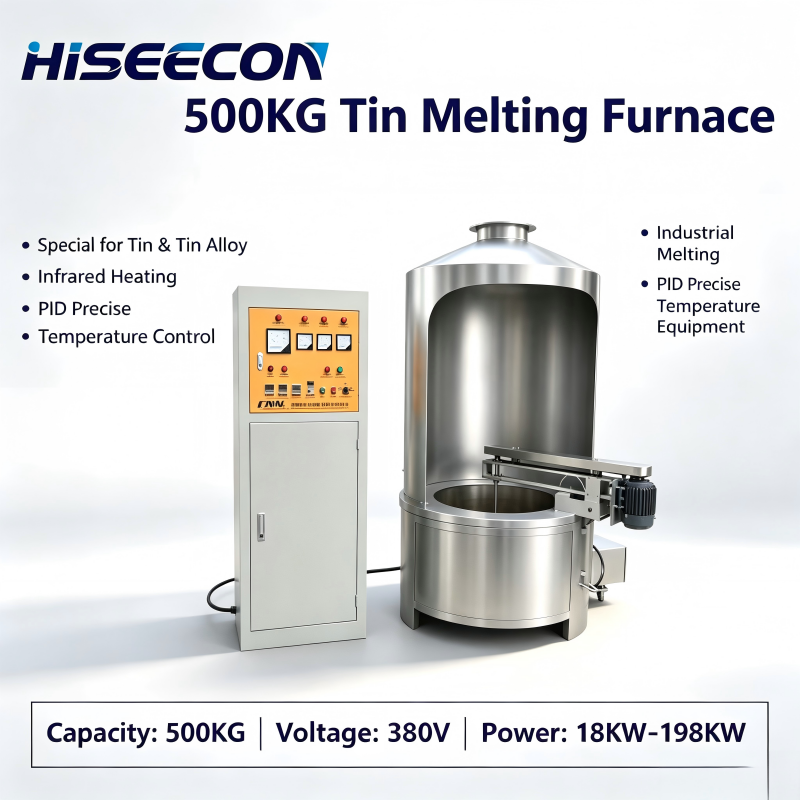
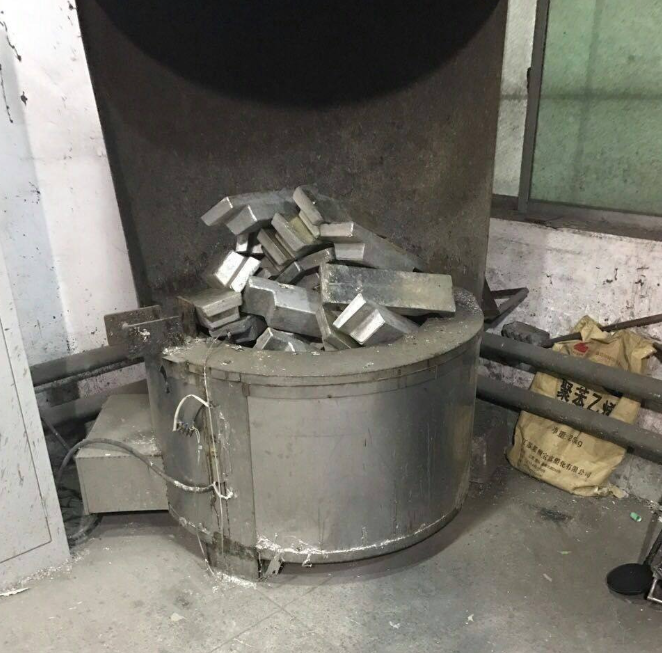
Infrared heating systems deliver exceptional heat transfer rates. For example, a 700kg tin ingot can be heated from room temperature to 320°C in approximately 55 minutes—a feat that traditional resistance furnaces cannot match. Thermal efficiency can reach as high as 90% or more, meaning less energy is wasted and more goes directly into melting the material.
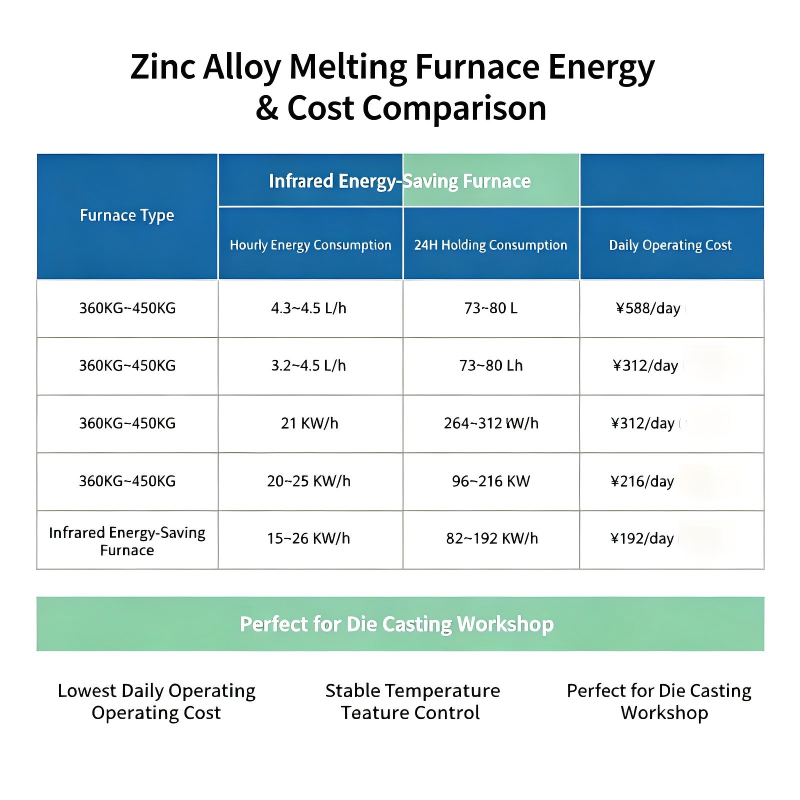
Compared to conventional resistance furnaces and fuel-fired furnaces, infrared tin furnaces can achieve energy savings of 50% to 60%. This translates directly into lower operating costs and a reduced carbon footprint—making it an environmentally responsible choice for modern manufacturing facilities.
Most infrared tin furnaces are equipped with PID (Proportional-Integral-Derivative) intelligent temperature control systems. This ensures:
Automatic temperature regulation with minimal fluctuation
Stable and consistent furnace temperatures
Programmable scheduling—for instance, up to eight timed on/off periods per day for automated operation
The tin pot (crucible) is typically constructed from high-grade 316L stainless steel or specialized tin-furnace steel, offering excellent corrosion resistance, acid resistance, and non-stick properties. These materials are certified to withstand prolonged operation at high temperatures (up to 600°C) and are fully compliant with lead-free soldering requirements.
Many infrared tin furnace models feature an integrated stirring system powered by high-quality motors with variable frequency drives. This ensures:
Uniform temperature distribution throughout the molten tin
Consistent alloy composition
Reduced oxidation and dross formation
The advanced insulation design minimizes heat radiation to the surrounding workspace, keeping ambient temperatures lower and creating a safer, more comfortable working environment. Additionally, the clean infrared heating process produces no combustion byproducts or harmful emissions.
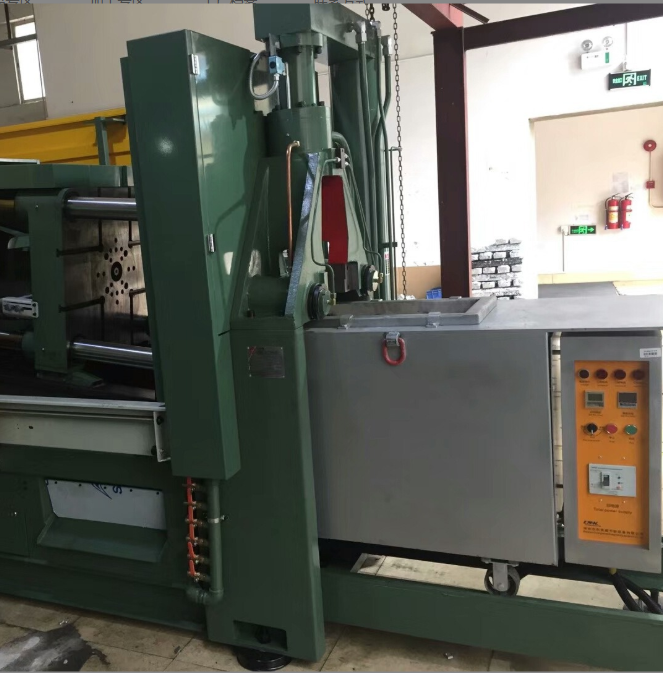
Lead Specialized
Customized for lead ingot and lead alloy smelting, fit large lead processing factories.
High Energy Efficiency
Infrared heating cuts power cost by 35%-60% vs traditional furnaces.
Fast Heating
Short preheat time, boost continuous mass production efficiency.
Precise PID Temp Control
Stable molten lead temperature, guarantee consistent casting quality.
Large 3000KG Capacity
18KW–198KW optional power, 380V industrial voltage.
Durable Crucible
Lead corrosion resistant, lower replacement cost.
Safe Automatic Design
Mechanical auxiliary structure, less manual contact with high temp lead liquid.
Easy to Maintain
Small footprint, simple structure for daily cleaning & inspection


